The Top-Best Machame Route Tours on Kilimanjaro Summit Guide (2026–2027) by Africa Natural Tours offers one of the most complete local summit guides, covering everything you need to know, including the best time to climb, itinerary comparisons, summit success rates, costs, difficulty level, clothing requirements, and expert climbing tips.
In 2026 - 2027, climbing the Machame Route on Mount Kilimanjaro offers one of the most breathtaking trekking experiences in the world, renowned for its dramatic landscapes and considered a true natural wonder. Our ultimate Machame Route climbing packages, ranging from 6 to 7 days, are carefully designed and led by experienced professional guides to ensure safety, comfort, and a high level of summit confidence. The Machame Route begins at the park gate and ascends through all major ecological zones of Kilimanjaro—from lush rainforest and moorland to alpine desert and the icy Arctic summit—reaching Uhuru Peak at 5,895 meters (19,340 feet) above sea level, covering approximately 62 km (37 miles) round trip. Known as the famous “Whiskey Route,” it is the most popular route on Mount Kilimanjaro in Tanzania, preferred by around 50% of climbers due to its outstanding scenery, diverse terrain, and excellent acclimatization profile. The Machame route is widely recognized for its high summit success rate of about 95%, making it one of the best choices for a successful Kilimanjaro climb.
Our top-best 6–7 day Machame Route Kilimanjaro tours for 2026–2027 are carefully designed and can be accessed from multiple starting points, including Moshi, Arusha, Kilimanjaro International Airport, Arusha Airport, Nairobi, Jomo Kenyatta International Airport, Mombasa, Dar es Salaam, Zanzibar, and other major East African destinations, making them highly convenient for both international and regional travelers.
The Most Complete Guide to the Machame Route on Mount Kilimanjaro
The Most Complete Guide to the top-best Machame Route on Mount Kilimanjaro covers everything you need to know for a successful climb, including route overview, starting points, 6–7 day itineraries, best time to climb, costs, difficulty level, altitude and acclimatization tips, summit success rates, required fitness preparation, packing list, weather conditions, safety guidelines, camping experience, guide and porter support, and expert advice for reaching Uhuru Peak at 5,895 meters (19,340 feet).
1. The Top-Best Machame Route Overview on Climbing Kilimanjaro
The Machame Route is one of the top-best Kilimanjaro climbing routes, offering a scenic and challenging ascent through rainforest, moorland, alpine desert, and the Arctic summit zone at Uhuru Peak (5,895 meters / 19,340 feet). On our Kilimanjaro climbing expeditions, this route is best experienced with local expert guides who provide full safety support, route knowledge, and professional assistance for a successful summit.
2. Starting Points for Machame Route Tours on Kilimanjaro
The ultimate guide to our Kilimanjaro climbing tours on the Machame Route can start from Machame Gate, Moshi, Arusha, Kilimanjaro International Airport, Arusha Airport, Nairobi (Jomo Kenyatta International Airport), Mombasa, Dar es Salaam, Zanzibar, and other East African destinations, ensuring easy access for both international and local travelers.
3. Duration and Itineraries (6–7 Days) for Climbing Machame Rote on Kilimanjaro Tours
The Machame Route is completed in 6–7 days on our guided Kilimanjaro climbing trips, allowing proper acclimatization and increasing summit success rates through a well-planned ascent led by top-best local expert guides.
4. Best Time to Climb Machame Route Tours on Kilimanjaro
The best time for our top-best Kilimanjaro climbing on the Machame Route is during the dry seasons from January to March and June to October, when clear skies and stable weather create ideal summit conditions.
5. Difficulty Level and Fitness for Machame Route, Kilimanjaro
The Machame Route is a challenging but achievable Kilimanjaro climbing route, requiring good fitness, endurance, and preparation, with our expert guides supporting climbers at every stage.
6. Cost of Our Machame Route Kilimanjaro Tours
The most affordable cost of our top-best Machame Route Kilimanjaro climbing tour packages starts from (USD 1,260 per person), and varies depending on whether it is a group or private tour, as well as the duration and services included such as guides, porters, meals, and camping equipment.
7. Altitude and Acclimatization on Machame Route
Proper acclimatization is essential for safe Kilimanjaro climbing on the Machame Route, and our local expert guides carefully manage pacing to improve summit success.
8. Packing List for Machame Route Kilimanjaro Tours
For our Kilimanjaro climbing tours, climbers need layered clothing, waterproof jackets, warm summit gear, hiking boots, gloves, and essential trekking equipment for changing mountain conditions.
9. Weather Conditions on Kilimanjaro
The Machame Route on Kilimanjaro has weather that changes dramatically from rainforest warmth to freezing summit temperatures, and our guides ensure climbers are fully prepared for all climate zones.
10. Machame Route on Kilimanjaro - Safety, Guides, and Support Team
Our top-best Kilimanjaro climbing experience on the Machame Route on Kilimanjaro includes professional expert local guides, porters, and support teams who ensure full safety, smooth logistics, meals, and camping throughout the journey, making this our complete and full guide for a successful climb.
11. Camping Experience on the Machame Route Kilimanjaro
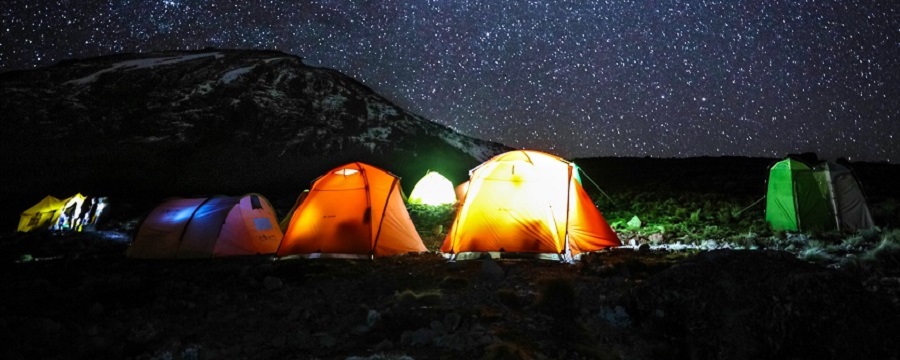
Our Kilimanjaro climbing tours offer authentic camping at designated mountain campsites, giving climbers a true wilderness experience under the African sky, guided by expert local teams who ensure comfort, safety, and full support.
12. Summit Success on Our Machame Route on Kilimanjaro
With proper preparation and guidance from our top-best expert local guides, the Machame Route offers one of the highest summit success rates and the most rewarding Kilimanjaro climbing experiences, making it the best choice in our complete guide for a safe and successful summit.
Top-Best Machame Route Package Cost for 2026-2027
The top-best and most affordable cost for the ultimate Machame route is range from $1,350 to $3,000 per person per trip for 6-day.for 7-day machame route package cost at best and most affordable is ranging from $1,500 to $3,500, this price enabling you to reach at 5,895 meters (19,341 feet) of the highest mountain in Africa and the tallest free-standing mountain in the world. This Machame route price varies depending on the the number of people during the trip, luxury services or budget services offered during the climb, and accommodation before and after the climb.
Top-Best Machame Route to World's success Rate
With our ultimate guide, the top-best summit success rate of the Machame route is between 90% and 95% due to its gradual ascent and ample time for acclimatization. The Machame route is widely regarded as the best route for climbing Mount Kilimanjaro, with the highest success rate for reaching the summit at 5,895 meters (19,431 feet) of the highest mountain in Africa and the tallest free-standing snow-capped mountain among the seven summits in the world.
How Long Does the Machame Route Take?
This most popular Machame route on Mount Kilimanjaro typically takes around 6-7 days to complete covering a distance of approximately 62 kilometers (38.5 miles). However, the Machame route duration can vary depending on factors such as the trekker's fitness level, altitude acclimatization, and weather conditions. The best and standard itinerary for the Machame route involves six to seven days the typical timeframe for this challenging and rewarding trek on mount Kilimanjaro.
Ultimate Machame Route Distance
With our ultimate guide, Machame route covers a total distance of approximately 62 kilometers or 38.5 miles, the route starts at Machame Gate, located at an altitude of 1,640 meters or 5,380 feet, and gradually ascends through different ecological zones, including rainforest, heath, and alpine desert, before reaching the summit at Uhuru Peak, which stands at an elevation of 5,895 meters or 19,341 feet. Along the way, climbers will encounter steep and rocky terrain, as well as breathtaking views of the surrounding landscape, making the Machame route a challenging but rewarding experience for those who attempt it.
The Ultimate Machame Route Difficulties
The Machame route is considered one of the less difficult routes on Kilimanjaro with about a 5-10% difficulty level as its longer itinerary allows for better acclimatization lowering the difficulty level. This Kilimanjaro Machame route difficulty level is due to quick altitude gain with elevations ranging from 800 to 1,200 meters (2,624 to 3,937 feet) per day, which can lead to altitude sickness if not properly acclimatized.
The Best Time to Climb Kilimanjaro via Machame Route
The best time to climb Kilimanjaro via the Machame Route is during the dry season, which runs from late June to October and from December to February. During this time there is less rainfall and the skies are clearer providing better views of the Kilimanjaro surrounding landscape. Additionally, during the dry season, the temperatures tend to be cooler which makes a more pleasant Kilimanjaro climb.
Best Machame Route Packages
Choose the best 6-day and 7-day Machame route packages with high summit success rates for summiting to Uhuru peak (5,895 meters). Both the 6-day and the 7-day Machame routes provide great Kilimanjaro climbing experiences with a successful summit success rate of about 85-90% for the 6 days itinerary and 90-95% for the 7 days Machame route itinerary.
To book and inquire about Machame route tour on Kilimanjaro; email to sales@africanaturaltours.com or use the WhatsApp number +255 764 415 889. You are welcome to contact us and get a direct help about Machame route hiking tour on Mount Kilimanjaro in 6 and 7 days, we are available 24/7 and would be happy to help you plan your Kilimanjaro Machame route climbing tour.
The Most Popular Machame Route Kilimanjaro Climbing Packages (Latest Updates 2026–2027)
Discover our all top-best and most popular tour packages for the top-best Machame Route on Kilimanjaro are available in 6-day and 7-day itineraries, with the 7-day option recommended for better acclimatization and higher summit success, while the 6-day option is shorter but more challenging. The top-best Machame Route tour packages for 2026–2027 are designed to suit different travelers, allowing you to choose budget, mid-range, or luxury options, as well as group or private climbs. Budget packages focus on essential services, while mid-range and luxury options include upgraded camping equipment, better meals, and greater comfort. All packages include expert local guides, professional porters, park fees, camping equipment, meals, and full logistical support. With carefully planned services and full expert guidance, our Machame Route packages offer one of the most reliable, safe, and successful ways to climb Mount Kilimanjaro.
The Most Affordable Costs for Machame Route on Kilimanjaro (Latest Updates 2026-2027)
The most affordable costs for Machame Route Kilimanjaro climbing packages for 2026–2027 range from around (USD 1,260 per person), depending on the package type and services included. These affordable costs for Machame Route on Kilimanjaro Tour Package options are designed to provide a safe and well-organized climbing experience while covering essential services such as professional local expert guides, experienced porters, park fees, camping equipment, meals, and full logistical support throughout the journey. Climbers can choose between 6-day and 7-day itineraries, with the 7-day option recommended for better acclimatization and higher summit success, while the 6-day option is more challenging but time-efficient. With proper preparation and expert guidance, these affordable Machame Route packages offer one of the best ways to successfully climb Mount Kilimanjaro.
The cost for the 6-day Machame Route Kilimanjaro climbing package starts from around USD 1,250 per person per climb, depending on the level of service and package type, including budget, mid-range, or luxury options. This shorter itinerary is more challenging due to faster ascent but still offers a rewarding summit experience with full support from expert local guides and porters.
The cost for the 7-day Machame Route Kilimanjaro climbing package is slightly higher, starting from around USD 1,350 per person per climb, as it includes an extra acclimatization day, making it safer, more comfortable, and increasing the chances of reaching Uhuru Peak successfully with full support from professional local guides and climbing teams.
Top-Best Machame Route Group Tours on Kilimanjaro (2026–2027)
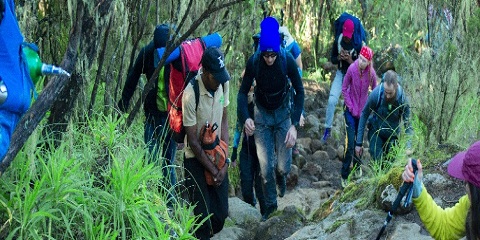
Experience all our group climbing tours on the top-best Machame Route are carefully organized for 2026–2027 and are designed to suit different fitness levels, offering both 6-day and 7-day itineraries, with the 7-day option recommended for better acclimatization and higher summit success rates. These group climbs are ideal for solo travelers, friends, or budget-conscious climbers who want to share costs while enjoying a strong team atmosphere on the mountain. Our Machame group tours include professional local expert guides, experienced porters, park fees, camping equipment, meals, safety support, and full logistical assistance from start to finish. Climbers can join groups starting from Moshi, Arusha, Kilimanjaro International Airport, and other East African hubs, making access easy for international travelers. With well-organized schedules, expert leadership, and strong group motivation, the Machame Route group tours provide one of the most social, safe, and successful ways to climb Mount Kilimanjaro.
Discover our top-best 6-day group Machame Route climbs on Kilimanjaro, designed for adventurous trekkers seeking a shorter but more challenging ascent to Uhuru Peak. The most affordable costs for 6-day group Machame Route climbs on Kilimanjaro start from (USD 1,260 per person) and include professional local expert guides, experienced porters, park fees, camping equipment, meals, safety support, and full logistical assistance throughout the climb.
Our top-best 7-day group Machame Route climbs on Kilimanjaro, the most recommended option for better acclimatization, a safer ascent, and higher summit success rates. The most popular group price start from (USD 1,450 per person) and include expert local guides, porters, park fees, camping equipment, meals, safety support, and complete logistical services. With an extra acclimatization day and a more gradual pace, the 7-day itinerary offers one of the most comfortable, scenic, and successful ways to reach the summit of Mount Kilimanjaro.
Top-Best Private Machame Route Tours on Kilimanjaro: Complete Summit Guide (2026–2027)
Exclusive all our top-best private Machame Route tours are available in both 6-day and 7-day itineraries, with costs starting from (USD 1,550 per person) depending on the itinerary and level of service selected. These private climbs allow you to set your own pace while enjoying one of Kilimanjaro’s most scenic routes, passing through lush rainforest, moorland, alpine desert, and the Arctic summit zone before reaching Uhuru Peak at 5,895 meters (19,340 feet). Designed for travelers seeking privacy, flexibility, and personalized attention, our private packages include professional local expert guides, dedicated porters, park fees, quality camping equipment, freshly prepared meals, safety monitoring, and full logistical support throughout the journey. The 7-day itinerary is highly recommended for better acclimatization and higher summit success rates, while the 6-day option is ideal for climbers looking for a shorter but more challenging adventure. With personalized service and expert guidance, our private Machame Route tours offer one of the safest, most comfortable, and most successful ways to climb Mount Kilimanjaro.”
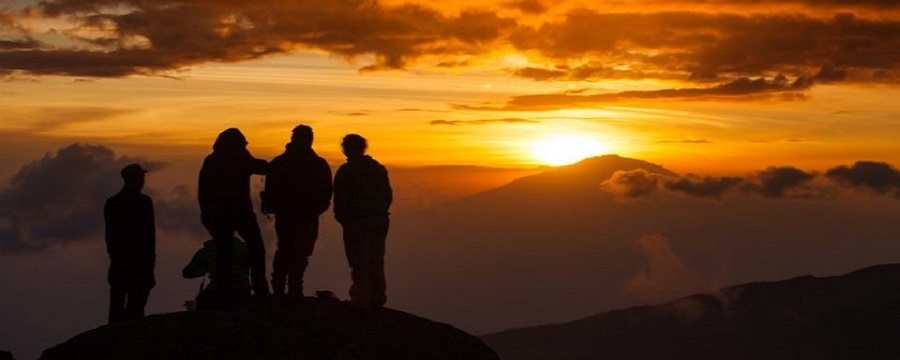
Discover our top-best 6-day private Machame Route tour, with costs starting from (USD 1,550 per person), designed for climbers seeking a shorter and more challenging ascent of Mount Kilimanjaro. This itinerary follows a faster pace and is best suited for trekkers with good fitness levels and a strong sense of adventure. The package includes professional local expert guides, dedicated porters, park fees, camping equipment, mountain rescue fees, meals, and full logistical support throughout the climb. Along the way, climbers experience Kilimanjaro’s diverse landscapes, from lush rainforest and moorland to alpine desert and the summit zone before reaching Uhuru Peak at 5,895 meters (19,340 feet).
Experience our 7-day private Machame Route tour, with costs starting from (USD 1,750 per person), the most recommended option for better acclimatization, greater comfort, and higher summit success rates. This itinerary includes an additional acclimatization day, allowing climbers to adjust more gradually to the altitude while enjoying the breathtaking scenery of Mount Kilimanjaro. The package includes expert local guides, dedicated porters, park fees, quality camping equipment, mountain rescue fees, meals, and complete logistical support. With a slower ascent profile and personalized service, this tour offers one of the safest, most enjoyable, and most successful ways to reach Uhuru Peak, the highest point in Africa.
The Most Popular 6-Day Package for Machame Route on Kilimanjaro (Latest Updates 2026-2027)
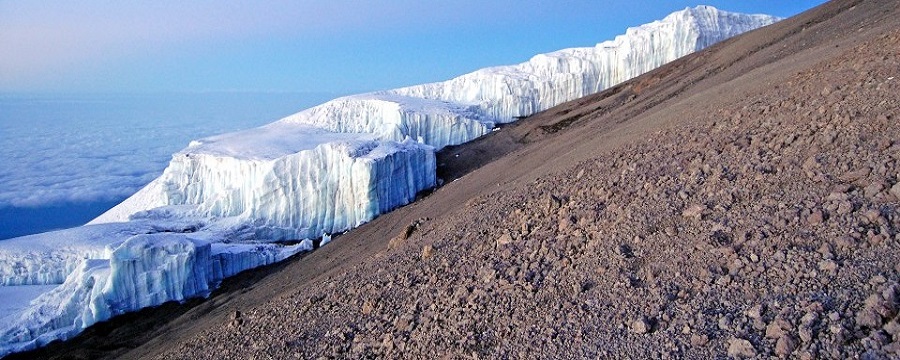
With our ultimate guide to climb Kilimanjaro via world’s classic machame route to the summit, we offers the comprehensive package for The top-best 6-day Machame route. our 6-day machame route is the most popular and scenic trek up Mount Kilimanjaro in Tanzania with a summit success rate of 92-94%. The climb becomes steeper and rockier as it reaches the alpine desert and ultimately the summit at 5,895 meters (19,341 feet). With a high success rate and varied terrain, the 6 days Kilimanjaro Machame route is a popular choice for experienced hikers seeking a challenging adventure in the heart of Africa at an affordable price with a great offer from $1,350 per person per trip. Note that: This price exclude airport pick-up fee and accommodation cost before Kilimanjaro Hiking and after Kilimanjaro Hiking.
But also The ultimate intinerary for 6-day kilimanjaro Machame route is starting at Machame Gate, then goes to Machame Camp, Shira Camp, Lava Tower, Barranco Camp, Karanga Camp, Barafu Camp, and finally to the summit. The route is also known as the "Whiskey" Route. The route's itinerary is as follows: Day 1: Machame Gate to Machame Camp, Day 2: Machame Camp to Shira Camp, Day 3: Shira Camp to Lava Tower to Barranco Camp, Day 4: Barranco Camp to Karanga Camp to Barafu Camp, Day 5: Barafu Camp to Summit to Mweka Hut, Day 6: Mweka Camp to Moshi.
The Ultimate Guide 7-Day Machame Route Package 2026, 2027, and 2028
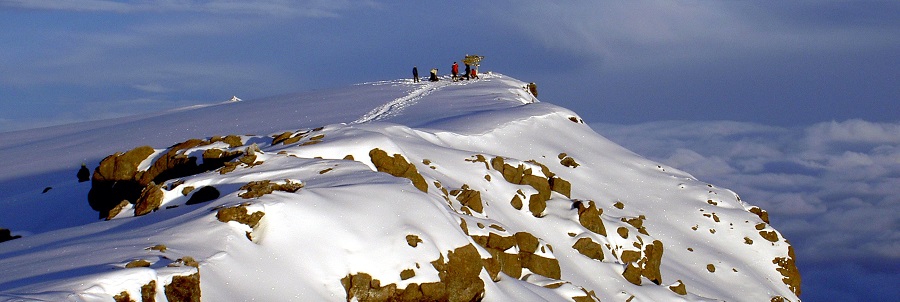
With Africa Natural Tours, Experience and discover the wonders of Mount Kilimanjaro with our 7-day Machame Route package, guided by our ultimate expertise in 2026, 2027, and 2028. 7-day machame route package is a longer and more gradual trek up Mount Kilimanjaro, allowing for better acclimatization and increased chances of reaching the summit at 5,895 meters (19,341 feet) with the rewarding sunrise views from the peak making the arduous climb worth it. With a higher success rate of 95% and a chance to take in more of the stunning landscape, the 7-day Kilimanjaro Machame route is an excellent choice for those seeking a more moderate challenge to climb Mount Kilimanjaro. Price is from $1,350 per person per trip, Note that: This price exclude airport pick-up fee and accommodation cost before Kilimanjaro Hiking and after Kilimanjaro Hiking.
The 7-day Machame route is a challenging trail on Mount Kilimanjaro that includes the rainforest zone, moorland/heather zone, alpine desert zone, and summit day. The route starts from Machame Gate and includes the following days: Day 1: Machame Gate to Machame Camp, Day 2: Machame Camp to Shira Camp, Day 3: Shira Camp to Lava Tower to Barranco Camp, Day 4: Barranco Camp to Karanga Camp, Day 5: Karanga Camp to Barafu Camp, Day 6: Barafu Camp to Uhuru Peak, Day 7: Summit day.
Top-Best Budget Machame Route Tours on Kilimanjaro Summit Guide
The Top-Best Budget Machame Route Tours on Kilimanjaro Summit Guide, with costs starting from (USD 1,550 per person), offers an affordable and well-organized way to experience one of the most scenic and popular climbing routes on Mount Kilimanjaro, providing budget-friendly 6-day and 7-day itineraries designed for different fitness levels, with the 7-day option recommended for better acclimatization and higher summit success rates, while still including essential services such as professional local expert guides, experienced porters, park fees, camping equipment, meals, safety support, and full logistical assistance to ensure a safe and successful climb to Uhuru Peak at 5,895 meters (19,340 feet).
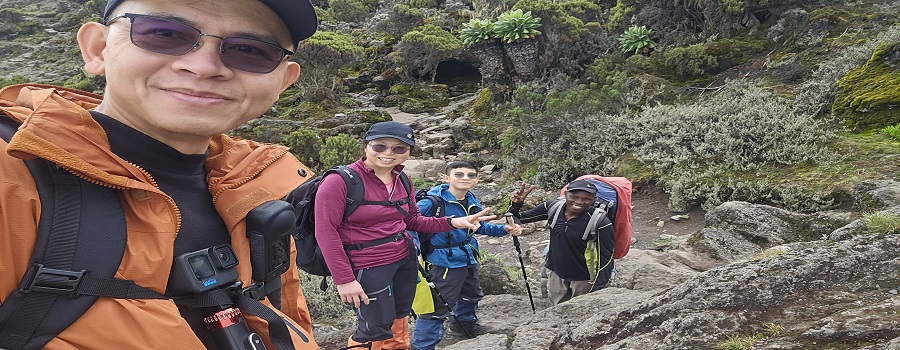
Join our 6-day budget Machame Route climbs on Kilimanjaro, where you will be shared in a group trekking experience with costs starting from (USD 1,550 per person), offering a faster and more challenging ascent to Uhuru Peak. This itinerary is suitable for strong and adventurous climbers, and you will be shared professional local expert guides, experienced porters, park fees, camping equipment, meals, safety support, and full logistical assistance while crossing Kilimanjaro’s rainforest, moorland, alpine desert, and summit zones.
Explore our 7-day budget Machame Route climbs on Kilimanjaro, where you will be shared in a group expedition with costs starting from (USD 1,750 per person), designed for better acclimatization and higher summit success rates. This recommended itinerary allows a slower and safer ascent, and you will be shared expert local guides, professional porters, park fees, quality camping equipment, meals, safety support, and complete logistical services, ensuring a more comfortable and successful journey to Uhuru Peak at 5,895 meters (19,340 feet).
The Best Time to Climb the Machame Route on Kilimanjaro
The best time to climb the Machame Route on Mount Kilimanjaro is during the dry seasons from January to mid-March and from June to October, when weather conditions are most stable, skies are clear, and trekking conditions are at their best. During these months, climbers enjoy better visibility, reduced rainfall, and safer trails across all ecological zones, from rainforest to the summit. These periods also offer higher summit success rates and more comfortable climbing conditions, making them the most recommended seasons for a successful ascent to Uhuru Peak at 5,895 meters (19,340 feet).
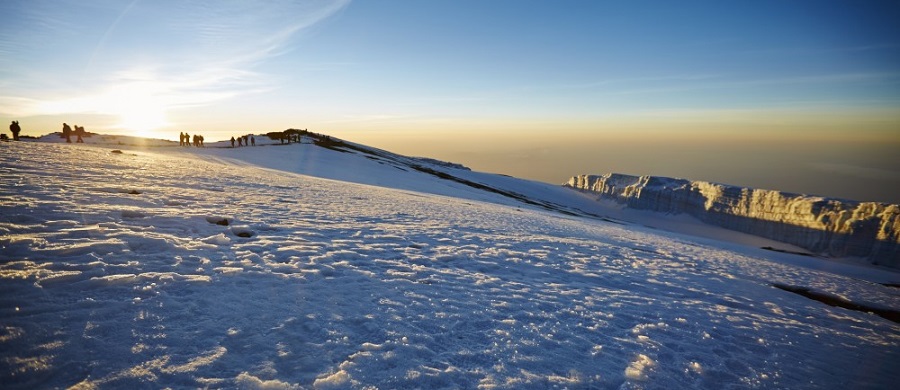
Expanded Guide to the Best Machame Route Tours on Mount Kilimanjaro 2026–2027
This expanded Machame Route guide adds deeper planning information to the existing 6-day and 7-day tour content above. It explains each major trail stage, the differences between the two itineraries, how acclimatization works, what happens at the main camps, how summit night is organized, what climbers should expect at Barranco Wall and Lava Tower, how costs change between private and group tours, and how airport transfers, hotels, guides, porters, meals and camping fit into a complete 2026–2027 Machame Route package.
The Machame Route is best understood as a sequence of changing environments rather than simply a six- or seven-day walk. Climbers begin in humid forest, move into open heath and moorland, cross volcanic alpine terrain, descend and re-ascend during acclimatization stages, camp below the summit zone and finally attempt Uhuru Peak before making a long descent. Every part of the itinerary contributes to the overall challenge, so route duration, pacing and preparation matter as much as physical fitness.
Complete 6-Day and 7-Day Machame Route Comparison
| Planning Point | 6-Day Machame Route | 7-Day Machame Route |
|---|
| Mountain duration | 6 trekking days | 7 trekking days |
| Overall pace | Faster and more compressed | More gradual and balanced |
| Karanga Camp | Often passed through on the way to Barafu | Normally used as a separate overnight camp |
| Time before summit night | Less recovery time | Additional mountain day before summit attempt |
| Best for | Fit trekkers with limited time | Most climbers prioritizing a steadier schedule |
| Camping | Yes | Yes |
| Main route | Same Machame trail system | Same Machame trail system |
| Cost | Usually lower because it has one fewer mountain day | Usually higher because it adds another day of fees, meals and crew support |
The 7-day Machame Route is not a completely different trail from the 6-day version. The key difference is how the middle section is divided. On a 7-day climb, Karanga is normally treated as a separate overnight stop, while the 6-day itinerary usually combines more of the Barranco–Karanga–Barafu progression into a longer day. That additional night changes the rhythm before summit night and is one of the main reasons many climbers prefer the 7-day schedule.
Day 1: Machame Gate to Machame Camp
The first trekking day begins after road transfer to Machame Gate, where the climbing team completes park entry formalities and organizes loads. The trail enters dense rainforest and follows a steadily rising path toward Machame Camp. Climbers often notice humidity, mud and changing cloud conditions in this lower ecological zone, particularly outside the driest months.
Day 1 is not the time to rush. The first objective is to settle into the guide's pace, become comfortable with the daypack and learn the mountain routine. At camp, the support team organizes tents and meals while climbers rest, hydrate and prepare clothing for the following day.
Day 2: Machame Camp to Shira Camp
Leaving Machame Camp, the forest gradually gives way to heath and open moorland. Views can expand as vegetation becomes shorter and the trail climbs toward the Shira Plateau. The day introduces climbers to more exposed terrain and a cooler mountain environment than the previous day's rainforest.
Shira is an important stage because the group is now sleeping considerably higher than at the starting gate. Slow pacing and steady hydration become increasingly important. Even strong hikers should resist the temptation to treat the climb as a speed challenge.
Day 3: Shira to Lava Tower and Barranco Camp
The Shira-to-Lava-Tower-to-Barranco day is one of the most important acclimatization stages on the Machame Route. Climbers ascend to a higher point around Lava Tower before descending to sleep lower at Barranco. This gain-and-descent profile exposes the body to greater altitude during the day while allowing recovery at a lower sleeping elevation.
Lava Tower is therefore more than a scenic landmark. It is part of the route's altitude strategy. Some climbers may begin noticing stronger altitude effects on this day, making communication with guides especially important. After Lava Tower, the descent toward Barranco can feel physically easier, and the dramatic Barranco landscape becomes one of the memorable settings of the route.
Barranco Camp and the Barranco Wall
Barranco Camp sits below one of the route's most recognizable features: the Barranco Wall. The next morning, climbers ascend the wall using a steep hiking path that includes sections where hands may be used for balance. It can look intimidating from camp, but the route is normally climbed as a trekking section rather than technical rock climbing.
Guides manage spacing and assist climbers through tighter areas. Patience is important because groups may slow down at narrow sections. Once above the wall, the trail opens into a dramatic high-altitude landscape and continues toward Karanga.
Karanga Camp: Why It Matters on the 7-Day Machame Route
Karanga is one of the most important differences between the standard 6-day and 7-day schedules. On the 7-day route, climbers normally spend the night at Karanga, creating a shorter stage before moving to Barafu the following day. This gives the group additional recovery time and another night on the mountain before summit night.
On a 6-day itinerary, Karanga is usually passed during a longer day from Barranco toward Barafu. That means the group reaches the summit base after covering more ground. For fit trekkers this remains achievable, but the 7-day structure generally provides a more relaxed transition.
Barafu Camp: Final Preparation Before the Summit
Barafu is the main high camp used before the summit attempt on Machame. Climbers arrive, organize summit clothing, eat, hydrate and rest before waking late in the evening for the ascent. Because sleep may be limited, preparation earlier in the afternoon is important.
Guides normally brief climbers about layering, headlamps, water, snacks, pacing and the expected sequence toward Stella Point and Uhuru Peak. Everything needed for summit night should be easy to access so that the group does not waste energy searching through bags in the cold and darkness.
Machame Route Summit Night: Barafu to Stella Point and Uhuru Peak
Summit night is the longest and most demanding part of the Machame Route. Climbers leave Barafu in darkness and move slowly up loose volcanic terrain toward the crater rim. The pace is deliberately controlled because the combination of altitude, cold and fatigue makes even simple walking much harder than at lower elevations.
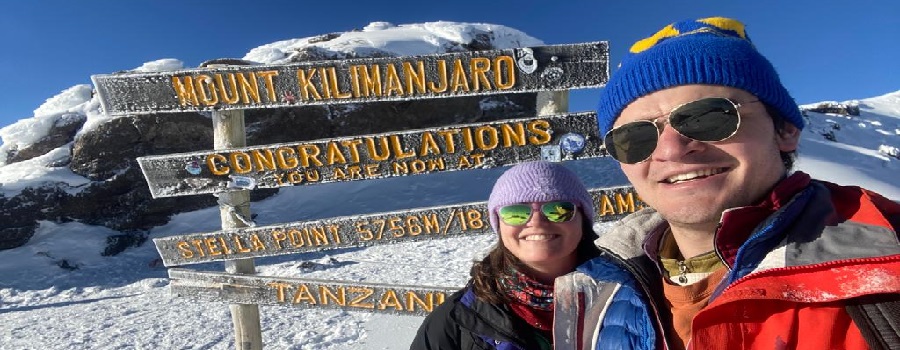
Reaching Stella Point is a major milestone. From there, climbers who are healthy and able to continue follow the crater rim toward Uhuru Peak at 5,895 metres. After photos and a short summit stop, the group begins descending. The descent is long, so conserving energy on the ascent remains essential.
Descent from the Summit to Mweka
After the summit, the route descends toward lower camps and eventually exits through the Mweka side. Descending can be physically demanding on the knees and legs because climbers lose a large amount of elevation in a relatively short period.
Trekking poles can be useful during the descent, especially on loose or uneven ground. As altitude decreases, breathing usually becomes easier and vegetation gradually returns. The final day continues through forest before transfer back to Moshi or another arranged destination.
Machame Route Camps Explained
The main camps commonly associated with Machame include Machame Camp, Shira Camp, Barranco Camp, Karanga Camp, Barafu Camp and the Mweka descent camps. The exact overnight sequence depends on whether the itinerary is six or seven days.
These are designated mountain camps rather than permanent lodges. Climbers sleep in tents, while the crew manages camp logistics, cooking and shared equipment. Camp comfort depends on the service category selected, but everyone should expect a genuine high-altitude camping environment.
Machame Route Ecological Zones
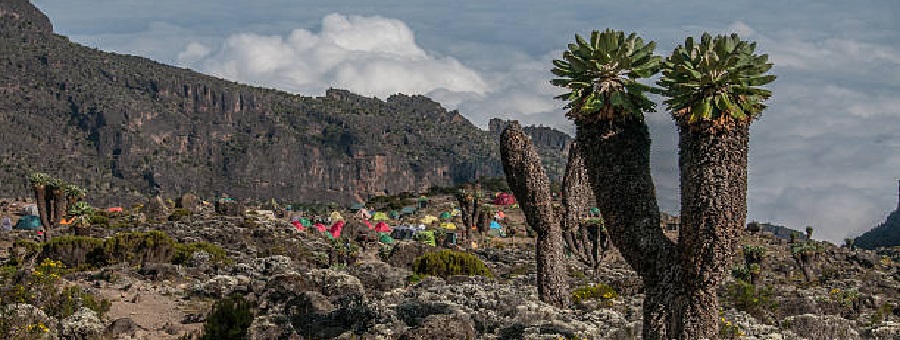
One reason Machame is visually varied is the rapid transition through Kilimanjaro's ecological zones. The climb begins in cultivated lower areas and rainforest, then enters heath and moorland before moving into alpine desert and the cold summit environment.
Each zone changes what climbers wear and how the day feels. Lower sections may be wet and warm, while higher elevations can be dry, windy and cold. Summit night demands the warmest clothing even if the climb began in humid forest conditions.
Machame Route Difficulty in Detail
Machame should be considered a challenging high-altitude trek rather than a technically difficult climb. Standard itineraries do not normally require ropes, crampons or rock-climbing techniques under ordinary trail conditions, but steep sections, long days and altitude make the overall expedition demanding.
The main difficulty is cumulative: several consecutive days of hiking, increasingly thin air, cold nights, interrupted sleep and a long summit push. Good cardiovascular fitness helps, but fitness alone does not eliminate altitude risk. Climbers should prepare both physically and mentally for a slow, patient ascent.
Acclimatization Strategy on Machame Route
Machame's route profile is often valued because it includes opportunities to climb higher and then sleep lower. The Shira–Lava Tower–Barranco stage is the clearest example. The 7-day itinerary adds another advantage by spreading the Barranco–Karanga–Barafu progression over more time.
Acclimatization cannot be guaranteed by route choice. Guides support the process through slow pacing, hydration reminders, monitoring and daily observation. Climbers should report symptoms honestly instead of hiding them out of fear that they may be asked to descend.
Summit Success: What Actually Influences It?
Rather than relying on a fixed percentage, climbers should understand the factors that influence the chance of reaching Uhuru Peak. These include route duration, individual response to altitude, fitness, weather, hydration, sleep, pacing, illness, motivation and willingness to follow guide instructions.
The 7-day Machame itinerary generally provides more acclimatization time than the 6-day option, but no responsible operator should guarantee a summit. A safe descent is always a successful mountain decision when health requires it.
Machame Route Cost Breakdown for 2026–2027
The source page includes several starting prices for different Machame packages, including approximately USD 1,250–1,350 for some standard 6- and 7-day packages, group options around USD 1,260–1,450, and private options starting around USD 1,550–1,750 depending on duration and services. These figures should be treated as package-specific starting points rather than one universal Machame price.
The final price changes with group size, number of mountain days, park charges, crew size, camping quality, hotel category, airport transfers and private versus shared arrangements. A 7-day climb usually costs more because it includes another day of crew services, food, camping and park-related expenses.
What the Machame Route Price Usually Covers
Typical inclusions may cover Kilimanjaro park fees, guides, porters, cooks, mountain meals, camping equipment, route transfers and safety-related mountain services. Some packages also include pre- and post-climb hotels or airport pickup, while others list those separately.
Travellers should request a written inclusion list before paying. International flights, visas, tips, personal clothing, travel insurance, optional equipment rental and additional hotel nights may not be included unless clearly stated.
6-Day Group Machame Route Tours
A 6-day group Machame climb is suitable for solo travellers, couples and friends who want to join a scheduled departure while keeping the mountain itinerary shorter. Shared group services can make the trip more economical than a fully private climb.
Because the schedule is compressed, participants should arrive with strong hiking fitness and enough time in Tanzania before the departure for equipment checks and briefing. Group tours follow fixed dates, so flight arrangements should be made around the confirmed start.
7-Day Group Machame Route Tours
The 7-day group Machame option combines the social atmosphere of a shared climb with an extra mountain day. It is well suited to solo travellers and couples who want a more gradual itinerary without paying for a fully private expedition.
Group size, departure dates and included hotel nights vary by package. Climbers should confirm the maximum group size and whether airport transfers are included when comparing departures.
6-Day Private Machame Route Tours
A private 6-day Machame climb gives your party control over the departure date and allows the mountain team to focus on your group. It remains a faster itinerary, so privacy does not remove the need for strong preparation and careful acclimatization.
Private services can be useful for couples, families, photographers or groups of friends who want flexibility with airport transfers, hotel arrangements and post-climb travel.
7-Day Private Machame Route Tours
A private 7-day Machame climb combines personalized logistics with the more gradual of the two standard Machame schedules. This format allows the group to travel together with its own guide team while keeping the Karanga overnight before Barafu.
It is particularly useful for travellers who value privacy, want to combine the climb with a safari or Zanzibar extension, or need specific arrival and departure arrangements around Kilimanjaro International Airport.
Budget Machame Route Tours
Budget Machame packages focus on core climbing services and standard camping equipment. They are suitable for travellers who value the mountain experience more than upgraded hotel rooms or enhanced camp comfort.
A budget label should never mean reduced safety or missing required park services. Compare the actual inclusion list, guide structure, porter support, meals and equipment rather than selecting a package only because it has the lowest headline price.
Mid-Range Machame Route Tours
Mid-range Machame packages generally sit between basic group climbs and higher-comfort private expeditions. They may include better pre- and post-climb accommodation, improved camping equipment, private transfers or additional service around the mountain itinerary.
The trail remains the same, so the value of a mid-range package is mainly in comfort and logistics rather than changing the physical difficulty of Kilimanjaro.
Luxury Machame Route Tours
Luxury Machame tours can include upgraded hotels, private airport transfers, more spacious camp arrangements and additional personal service. Some travellers select a luxury category because they want greater comfort before and after demanding trekking days.
Kilimanjaro remains a high-altitude mountain even with premium services. Better equipment and support can improve comfort, but altitude, cold and physical effort still need to be managed realistically.
Machame Route from Moshi
Moshi is a common base for Machame Route departures because it is close to Kilimanjaro and convenient for pre-climb briefings. Climbers can stay overnight, complete equipment checks and then transfer by road to Machame Gate on the first trekking day.
After the climb, the Mweka descent can be connected back to Moshi for a recovery night, onward airport transfer or safari departure.
Machame Route from Arusha
Arusha is another practical base, especially for travellers combining Kilimanjaro with Tarangire, Ngorongoro, Serengeti or Lake Manyara. The road transfer to Machame Gate is longer than from Moshi, so departure timing should be coordinated carefully.
A climb starting from Arusha still begins on the mountain at Machame Gate; Arusha is the pre-climb travel base rather than the trailhead itself.
Machame Route from Kilimanjaro International Airport (JRO)
International climbers arriving at Kilimanjaro International Airport can be collected and transferred to Moshi or Arusha for the pre-climb night. Most travellers benefit from resting and completing the briefing before travelling to Machame Gate the next day.
Airport pickup, hotel nights and return transfers may be packaged together with the climb or quoted separately. Confirm these items before booking so the full trip cost is clear.
Machame Route from Nairobi, Zanzibar or Dar es Salaam
Travellers arriving from Nairobi, Zanzibar or Dar es Salaam first connect to northern Tanzania before beginning the mountain itinerary. Depending on the origin, this may involve a regional flight, domestic flight or road transfer.
The important distinction is that these cities are travel origins, not Machame trailheads. The actual mountain trek always starts after the climber reaches the Kilimanjaro area and transfers to Machame Gate.
Best Time to Climb Machame Route in January and February
January and February are commonly selected because they often provide relatively dry conditions and good visibility. Trail traffic can be higher during favorable-weather periods, so travellers who prefer quieter camps should consider group size and exact departure date.
Even during these months, rain can occur in the rainforest and summit temperatures remain cold. Climbers still need full waterproof and cold-weather equipment.
Climbing Machame Route in March, April and May
March can transition toward wetter conditions, while April and parts of May are associated with the main rainy period. The lower forest can become muddy and waterproof protection becomes especially important.
Wet-season climbs can offer quieter trails, but travellers need realistic expectations about cloud, rain and drying gear at camp. A longer itinerary can be attractive when conditions make daily walking slower.
Climbing Machame Route from June to October
June through October is one of the most popular windows for Kilimanjaro because conditions are often drier and more stable. July, August and September can attract more climbers, so camps and trail sections may feel busier.
Clearer weather does not mean warm weather. Higher camps and summit night remain cold, and wind can significantly affect how temperatures feel.
Climbing Machame Route in November and December
November can bring a shorter rainy period, while December often transitions toward another popular climbing window. Conditions vary year to year, so travellers should prepare for a mixture of rain, cloud and clearer periods.
Holiday-season demand may affect hotels and flights, making early booking useful for travellers planning late-December departures.
Machame Route Packing List: Clothing
Clothing should be based on layers: moisture-managing base layers, warm mid-layers, insulated outerwear, waterproof shell jacket and trousers, warm gloves, hat and suitable summit layers. Climbers should avoid relying on cotton clothing in cold or wet conditions because it dries slowly.
Extra socks and dry base layers are useful after wet hiking days. Pack important clothing inside waterproof liners rather than relying only on the outer duffel.
Machame Route Packing List: Footwear and Trekking Gear
Broken-in hiking boots are one of the most important pieces of equipment. Trekking poles can reduce strain on long descents, while gaiters may help in mud, dust or loose terrain. A comfortable daypack should carry water, rain protection, extra layers, snacks and personal items.
A headlamp is essential for summit night. Sunglasses, sun protection and a brimmed hat remain important because ultraviolet exposure is strong at altitude even when temperatures are low.
Machame Route Packing List: Sleeping and Camp Equipment
A sleeping bag rated for cold mountain conditions is essential. Depending on the package, tents and sleeping mats may be provided, while personal sleeping bags may be included, rented or brought by the climber.
Before departure, confirm which camp equipment is included. This prevents duplicate packing and allows travellers to rent missing items during the pre-climb briefing.
Training for the Machame Route
Machame training should focus on endurance, uphill walking, downhill strength and the ability to hike on consecutive days. Long weekend hikes, stair climbing, hill walking and regular cardiovascular exercise can all contribute to preparation.
Training with the same boots and daypack planned for Kilimanjaro helps identify comfort problems early. The goal is not to train for speed but to become comfortable moving for several hours at a steady pace.
Mental Preparation for Summit Night
Summit night can feel slow, cold and repetitive. Mental preparation is therefore as useful as physical training. Climbers should expect discomfort, limited sleep and a deliberately slow pace rather than imagining a fast ascent.
Breaking the night into smaller objectives—leaving camp, reaching intermediate points, reaching Stella Point and then deciding whether to continue—can make the challenge more manageable.
Food and Hydration on Machame Route
Mountain meals are designed to provide energy during sustained trekking. Appetite can decrease at altitude, so climbers should make an effort to eat enough even when they do not feel hungry. Personal snacks can supplement meals during long trail days and summit night.
Hydration is equally important. Guides normally remind climbers to drink regularly, but each participant should monitor personal intake and carry an accessible water system during the day.
Guide, Porter and Cook Support on Machame
Machame climbs depend on a mountain crew. Guides lead the group and monitor safety, porters transport shared expedition equipment, and cooks prepare meals at camp. The crew makes it possible for climbers to focus on walking with a daypack rather than carrying all expedition equipment personally.
The exact guide-to-climber and porter structure depends on group size and operator logistics. Travellers who want a more private experience should ask about dedicated guides and crew arrangements before confirming a package.
Machame Route Safety: Altitude Symptoms
Common altitude-related symptoms can include headache, nausea, unusual fatigue, poor appetite or disturbed sleep. Symptoms should be reported to the guide rather than hidden. Early communication allows the team to make better decisions about rest, pacing or descent.
Severe altitude illness is a medical emergency. Climbers should follow guide instructions promptly if descent is recommended. No summit objective is more important than health.
Machame Route Safety: Weather and Trail Conditions
Rain can make forest paths slippery, while high winds and cold can affect exposed upper sections. Proper footwear, waterproof clothing and trekking poles help manage changing conditions.
Weather forecasts are useful for planning but do not eliminate uncertainty on a high mountain. Climbers should pack for a full range of conditions regardless of the departure month.
Who Should Choose the Machame Route?
Machame suits travellers who want a scenic camping route and are comfortable with several days of trekking. It works well for solo travellers, couples, groups of friends, families with suitable hiking experience and photographers who value changing landscapes.
Travellers who strongly prefer hut accommodation may be better suited to Marangu. Those who want an even longer itinerary may compare Lemosho or Northern Circuit before deciding.
Who Should Choose 6 Days?
The 6-day itinerary is best for fit trekkers who have limited travel time and are comfortable with a more compressed schedule. Previous multi-day hiking or altitude experience can be useful, although it does not guarantee acclimatization.
Travellers choosing six days should arrive rested and avoid scheduling the climb immediately after a long overnight journey if possible.
Who Should Choose 7 Days?
The 7-day itinerary is usually the stronger default choice for travellers who can afford the extra day. It reduces the need to combine Karanga and Barafu into one longer stage and gives the group additional time before summit night.
First-time high-altitude trekkers, families and travellers who prefer a steadier pace often find the seven-day structure more attractive.
Machame Route for Solo Travellers
Solo travellers can join scheduled Machame group departures or book a private climb. Group departures may provide better value and a social experience, while private arrangements provide more control over dates and pace.
Before booking a group departure, confirm whether the date is guaranteed, the expected group size and what happens if the minimum number of climbers is not reached.
Machame Route for Couples and Honeymooners
Couples often choose private Machame climbs when they want their own schedule and a quieter mountain experience. A private trip can also simplify rooming arrangements before and after the climb.
For honeymoon travel, the mountain can be combined with a safari or Zanzibar beach stay after the descent, allowing the trip to move from adventure into relaxation.
Machame Route for Families and Friends
Families and groups of friends benefit from a private schedule because the guide can manage the pace around the group's needs. The 7-day itinerary is often more suitable when participants have mixed trekking experience.
Every participant should train independently and understand the altitude challenge. Group enthusiasm should never pressure a member to continue when health suggests descent.
Machame Route for Photographers
Machame's changing ecological zones and broad southern circuit create varied photographic opportunities, from rainforest vegetation and Shira landscapes to Barranco Wall, high alpine terrain and summit views.
Photographers should protect batteries from cold, carry equipment in weather-resistant bags and keep the camera system manageable. Heavy equipment can become difficult to handle at altitude.
Machame Route Plus Tanzania Safari
After descending, climbers can continue to Tarangire, Ngorongoro, Serengeti or Lake Manyara. Arusha is a convenient transition point for northern Tanzania safari departures.
Allow a recovery night after the mountain before beginning a long road safari if possible. The summit day and descent can leave climbers physically tired even when the climb has gone well.
Machame Route Plus Zanzibar
A Zanzibar extension is popular after Kilimanjaro because it provides beach time and a complete change of pace. Travellers can connect through domestic flights after returning from the mountain.
The best combined itinerary includes enough buffer between the final descent and the onward flight so that weather, road conditions or fatigue do not create unnecessary pressure.
Pre-Climb Hotel and Equipment Check
A pre-climb hotel night gives travellers time to rest, meet the guide, inspect gear and reorganize luggage. This is particularly important for international visitors arriving after long flights.
The briefing should confirm the route, departure time, luggage limits, rental equipment, sleeping bag, waterproof gear and summit clothing before the team leaves for Machame Gate.
Post-Climb Hotel and Airport Transfer
After the Mweka descent, most climbers return to Moshi or Arusha for a shower, meal and recovery night. Airport drop-off can then be arranged according to the onward flight.
Some source-page prices explicitly exclude airport pickup and pre- or post-climb accommodation, so travellers should check those items rather than assuming they are included in every package.
Machame Route Booking Checklist for 2026–2027
Before confirming a Machame booking, check the route duration, private or group format, starting price, hotel nights, airport transfers, park fees, guide and porter services, camping equipment, meals, rescue-related charges, equipment rental, cancellation conditions and final payment schedule.
Also confirm the exact arrival date required before the climb. A 7-day trekking package may require nine or more calendar days in Tanzania once arrival and recovery nights are included.
Frequently Asked Questions About the Machame Route
Is Machame Route 6 or 7 days? Both options are common. The 7-day itinerary adds an extra mountain day and usually separates Karanga as an overnight stop.
Does Machame use huts? No. Machame is a camping route.
Where does Machame start? The trekking route starts at Machame Gate after road transfer from Moshi, Arusha or another pre-climb base.
Is Machame technical? Standard Machame climbing is a high-altitude trek and normally does not require advanced technical mountaineering skills.
What is the hardest day? Summit night from Barafu toward Stella Point and Uhuru Peak is generally the longest and most demanding stage.
Which is better: 6 days or 7 days? The 7-day option provides more time before the summit attempt, while the 6-day version is better for fit travellers with tighter schedules.
Can I start from Kilimanjaro Airport? Your complete tour can start with JRO pickup, but the actual mountain trek starts at Machame Gate.
Can I join a group? Yes. Scheduled group departures are commonly available, while private departures offer more flexibility.
What should I pack? Prepare waterproof clothing, warm summit layers, hiking boots, gloves, headlamp, trekking poles, sleeping equipment and personal items appropriate for changing mountain conditions.
Can Machame be combined with safari or Zanzibar? Yes. The climb can be connected with northern Tanzania safari parks or a Zanzibar beach extension.
Book the Best Machame Route Tours on Mount Kilimanjaro 2026–2027
Book via WhatsApp +255 764 415 889 or email sales@africanaturaltours.com. Choose between 6-day and 7-day Machame Route itineraries, group or private departures, budget, mid-range or higher-comfort services, and add airport transfers, hotel accommodation, safari or Zanzibar extensions according to your travel plan.
For the best itinerary match, provide your preferred travel dates, number of climbers, route duration, arrival airport, desired service level and whether you plan to continue to safari or Zanzibar after Kilimanjaro.