Climb the world’s highest peak, Mount Kilimanjaro, with guided top-best Lemosho Route Climbs, Tours and Packages (Updated 2026–2027), offering excellent acclimatization, diverse landscapes, professional guides, and high summit success rates. Get ready to climb the Best Lemosho Route Climbs, Tours and Packages (Updated 2026–2027), a complete guide that gives you everything you need for a successful summit, including expert-led tours, professional mountain guides, experienced porters, quality camping equipment, and well-planned itineraries ranging from 7-day, 8-day, to 9-day, ensuring a safe, well-supported, and unforgettable climbing experience. The Lemosho Route on Mount Kilimanjaro is one of the most scenic and highly recommended paths to Uhuru Peak, offering excellent acclimatization, fewer crowds, and one of the highest summit success rates on the mountain.
Experience one of the most beautiful routes on Mount Kilimanjaro with the Top Lemosho Route Climb Packages and Kilimanjaro Tours & Travel Guide (2026–2027), designed for climbers who want a safe, scenic, and complete successful summit journey. The Lemosho Route climbs and Kilimanjaro summit tours are well known for their stunning landscapes, excellent acclimatization, and high summit success rates, making them one of the best routes for reaching Uhuru Peak on Mount Kilimanjaro.
Your Lemosho Route Kilimanjaro climb packages and guided tours are led by experienced mountain professionals who prioritize your safety, comfort, and success throughout the journey. From the first step on the trail to the summit of Mount Kilimanjaro, our expert guides and Kilimanjaro climb support team provide motivation, safety instructions, and essential climbing tips for a successful ascent.
Discover our top-best Lemosho Route climb packages and Mount Kilimanjaro climbs guide tours (2026–2027), designed to be affordable, transparent, and fully inclusive. Climb Mount Kilimanjaro via Lemosho Route tour package includes professional mountain guides and porters, park fees and permits, quality camping equipment and supplies, and accommodation throughout your Kilimanjaro climb. During your Lemosho Route Kilimanjaro climbs and summit tours, climbers stay in well-equipped mountain campsites along the route and enjoy comfortable hotel accommodation in Moshi before and after the trek. This ensures proper rest, recovery, and better preparation for the demanding Kilimanjaro summit journey.
The top-best Lemosho Route climb packages and Kilimanjaro tours and most complete guide (2026–2027) offer flexible options for group and private climbs. With breathtaking scenery and professional support and complete logistics, this Kilimanjaro climb experience provides a safe, rewarding, and unforgettable journey to the summit of Africa’s highest mountain.
To book or inquire about the Lemosho Route climb, contact Climbs Kilimanjaro for available tour packages and details; email to sales@africanaturaltours.com or use the WhatsApp number +255 764 415 889. You are welcome to contact us and get a direct help about Lemosho route hiking tour on Mount Kilimanjaro in 7, 8, and 9-day, we are available 24/7 and would be happy to help you plan your top-best Lemosho Route Climb Packages: Complete Kilimanjaro Summit Guide (2026–2027).
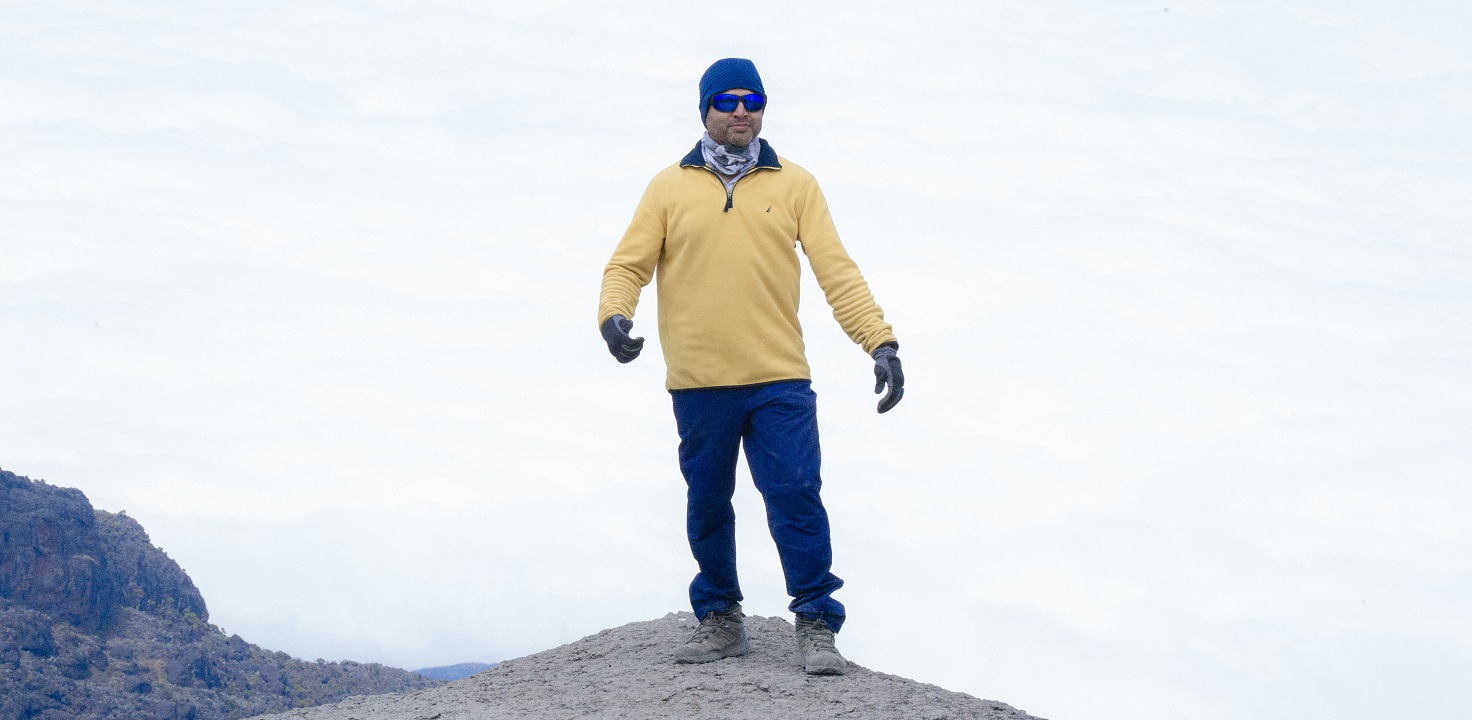
Discover our Lemosho Route trips in 2026-2027 ranges from 7 to 9 days, giving you flexible options tailored to your schedule and fitness. African Natural Tours designs itineraries with smart pacing through lush forests, moorlands, and up to Uhuru Peak covering about 70 km total. The extra time helps with acclimatization and lets you truly take in the scenery. Ready for a well-planned adventure? Let's map out your perfect itinerary. The Lemosho Route is considered moderate challenging but very doable for fit hikers who prepare. In 2026-2027, African Natural Tours supports you with gradual ascents, plenty of rest, and excellent acclimatization to make it rewarding rather than punishing. It's ideal if you want a solid adventure without extreme technical demands. If you're up for it, this could be your perfect Kilimanjaro climb. The Lemosho Route is known for excellent summit success—often up to 90-95% on 8-day trips thanks to its longer, gentler profile. With African Natural Tours in 2026-2027, our experienced team and thoughtful pacing give you a strong edge. Experience the thrill of standing on Africa's roof with a proven track record behind you. Let's get you to Uhuru Peak! Our guides on the Lemosho Route in 2026-2027 are seasoned pros who've climbed Kilimanjaro countless times. African Natural Tours pairs you with knowledgeable, friendly experts who prioritize safety, share mountain wisdom, and make the journey personal. You'll feel supported every step. Climb with confidence book with us.
Love the energy of shared adventures? Our group climbs on the Lemosho Route in 2026-2027 with African Natural Tours keep group sizes small for a friendly, connected vibe. You'll trek alongside like-minded people, share stories around camp, and celebrate together at the summit. It's social, supportive, and fun. Join a group and make lifelong friends on the mountain. The Lemosho Route treats you to some of Kilimanjaro's most stunning scenery in 2026-2027. African Natural Tours leads you through misty rainforests, open heathlands, dramatic moorlands, and vast alpine deserts—with panoramic views opening up along the way. Every day brings new beauty. Come see why this route is so special. Early on the Lemosho Route in 2026-2027, you'll walk through pristine forests where blue monkeys, colorful birds, and other wildlife make appearances. African Natural Tours points out these special moments while keeping the focus on safe, enjoyable trekking. It's a nice bonus to the mountain magic. Get ready for those little wildlife surprises! Acclimatization is key on Kilimanjaro, and the Lemosho Route excels at it with its gradual climb. In 2026-2027, African Natural Tours builds in smart pacing and extra time at higher camps to help your body adjust and reduce altitude risks. You'll feel stronger as you go higher. Climb safer and summit happier.
Safety comes first on our Lemosho Route climbs and Mount Kilimanjaro summit tours (2026–2027) with African Natural Tours. Our team provides 24/7 support, experienced mountain guides, emergency oxygen when needed, and clear safety protocols throughout the climb. We ensure every climber is well protected so you can focus on enjoying a safe and confident ascent to Uhuru Peak. Africa Natural Tours offer flexible departure dates for Lemosho Route Kilimanjaro climbs (2026–2027) with African Natural Tours, allowing you to choose a schedule that fits your travel plans. Whether you are traveling solo, with friends, or in a group, we provide organized departures and guaranteed availability for your preferred climbing dates.
Our custom Lemosho Route climb packages on Climb Kilimanjaro tours (2026–2027) can be tailored to your needs, including private climbs, group join options, and adjustments based on your pace and preferences. African Natural Tours works closely with you to create a personalized climbing experience that matches your expectations and comfort level. Climbing the Lemosho Route on Mount Kilimanjaro (2026–2027) with African Natural Tours creates unforgettable memories, from sunrise views above the clouds to shared moments at camp and the final push to Uhuru Peak. Every stage of the journey is designed to deliver a lifetime experience filled with achievement and adventure. The top-best Lemosho Route Kilimanjaro climb and Tanzania adventure packages (2026–2027) combine a world-class mountain trek with an authentic East African experience. With African Natural Tours, you can enjoy wildlife sightings on the lower slopes and the warmth of Tanzanian culture, making it the ultimate Kilimanjaro and safari combination.
You can start your journey to climb Mount Kilimanjaro from Moshi, Arusha, Kilimanjaro International Airport (JRO) or Arusha Airport, making it easy and convenient for all travelers to join the Top Lemosho Route Climb Packages (2026–2027): Complete Kilimanjaro Summit Guide. This all-inclusive summit guide is designed for a safe, scenic, and successful ascent to Uhuru Peak, offering expert mountain guides, professional porters, emergency support, quality camping equipment, and well-planned itineraries with proper acclimatization and high summit success rates. Climbers experience diverse landscapes from lush rainforest to alpine desert and finally to the icy summit of Africa’s highest peak. With flexible departures, customized options, and full logistical support, this Kilimanjaro climbing experience is suitable for both beginners and experienced trekkers seeking an unforgettable adventure in Tanzania.
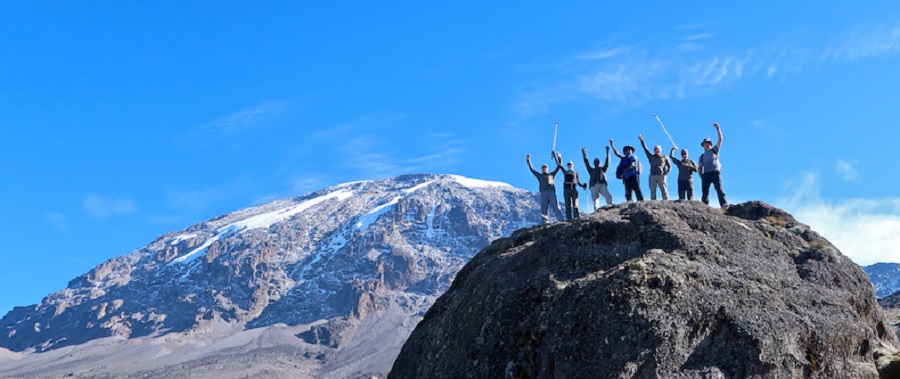
With year-round departures on the all top-best Lemosho Route on Kilimanjaro Summit Guide (2026–2027), African Natural Tours offers the best trekking windows for a successful climb. The ideal seasons from January–February and June–October provide clear skies, stable weather, and breathtaking panoramic summit views from Uhuru Peak. Book now and discover why the Lemosho Route is one of Kilimanjaro’s most beautiful trails. Experience the beauty of the top-best Lemosho Route on Kilimanjaro Summit Guide (2026–2027) with Africa Natural Tours as you trek through lush rainforests, dramatic moorlands, and alpine deserts. With expert mountain guides and well-planned itineraries, this route offers a summit success rate of up to 98.6%, making it one of the most reliable paths to the top of Africa. Book now for an unforgettable adventure.
Explore a fully private expedition with the top-best Lemosho Route on Kilimanjaro Summit Guide (2026–2027) by Africa Natural Tours, designed for personalized pacing and exclusive mountain experiences. Enjoy a dedicated guide team, private campsites, and access to one of the most scenic and peaceful routes on Mount Kilimanjaro. Book now for a tailored climbing experience. Achieve your summit dream with the Lemosho Route Kilimanjaro Summit Guide (2026–2027). Our 8-day itinerary offers a 94–96% success rate, while the 9-day option increases success to 96–98.6%, making it one of the most successful Kilimanjaro climbing options available. Book now for your best chance to reach Uhuru Peak.
Discover the our top-best Lemosho Route Kilimanjaro Summit Guide (2026–2027) with Africa Natural Tours, designed to offer superior acclimatization and a safe climbing experience. The gradual ascent covers approximately 70 km, allowing your body to adjust slowly to altitude, reducing the risk of altitude sickness and improving summit success rates. Book now for a safer and more effective climb. Venture into the rainforest zone on the Lemosho Route Kilimanjaro Summit Guide (2026–2027) and experience unique wildlife such as blue monkeys, exotic birds, and other rare species. African Natural Tours expert guides enhance your journey with wildlife insights while ensuring safety throughout the trek. Book now for a truly unforgettable experience.
Top-Best Lemosho Route Climbs on Kilimanjaro Tours & Packages: Complete Guide & Summit Success Rates (7, 8, & 9 Days)
The Top-best Lemosho Route Climbs on Kilimanjaro Tours & Packages (7, 8 & 9 Days) offer a summit success rate ranging from 90% to 98.6%, depending on the selected itinerary, climber fitness level, and acclimatization, with the goal of reaching 5,895 meters (19,341 feet) at Uhuru Peak, the highest point in Africa and the tallest free-standing mountain in the world. Discover all our top-best Lemosho Route Kilimanjaro climbs offer summit success rates of 88% for 7-day itineraries, 90–95% for 8-day routes, 94–96% for climbs, and 96–98.6% for 9-day expeditions, with longer routes providing better acclimatization and higher chances of reaching Uhuru Peak safely.
The Most Affordable Cost for Lemosho Route Packages in 7, 8, and 9-Day (2026-2027)
The best and most affordable cost for the top Lemosho Route climb packages and Kilimanjaro tours (2026–2027) range from USD 1,350 to USD 2,500 per person, depending on the number of days (7, 8, or 9-day itinerary), level of service, group or private climb options, travel season, and included amenities. All packages typically cover professional mountain guides, experienced porters, park fees, camping equipment, meals, and full logistical support to ensure a safe, comfortable, and successful summit experience on Mount Kilimanjaro. Payment flexibility extends to multiple currencies, including USD Dollars, Euro, Pound, and Tanzania Shillings, catering to a diverse range of climbers seeking the ultimate Kilimanjaro experience. Book Now!
Top-Best Lemosho Route Distance on Mount Kilimanjaro: Our Most Complete Tour Guide
Climbs our top best Lemosho Route distance on Mount Kilimanjaro tours is approximately 70 kilometers (about 42 miles) from start to summit, making it one of the longest and most scenic climbing routes on the mountain. This Lemosho route on Kilimanjaro begins on the western side of Kilimanjaro and takes climbers through diverse landscapes, including lush rainforest, heath and moorland zones, alpine desert, and finally the icy summit of Uhuru Peak at 5,895 meters (19,341 feet). The longer distance for the best Lemosho route on Kilimanjaro is usually covered over 7, 8, or 9 days, allowing for better acclimatization and higher summit success rates compared to shorter itineraries. Because of its gradual ascent profile, the Lemosho Route is highly recommended for climbers seeking a safer and more comfortable trekking experience. With professional guides, well-planned campsites, and full support services, this route offers one of the most rewarding journeys on Mount Kilimanjaro.
The Most Complete Guide to the Lemosho Route on Kilimanjaro Difficulty and Tours (7, 8 & 9 Days)
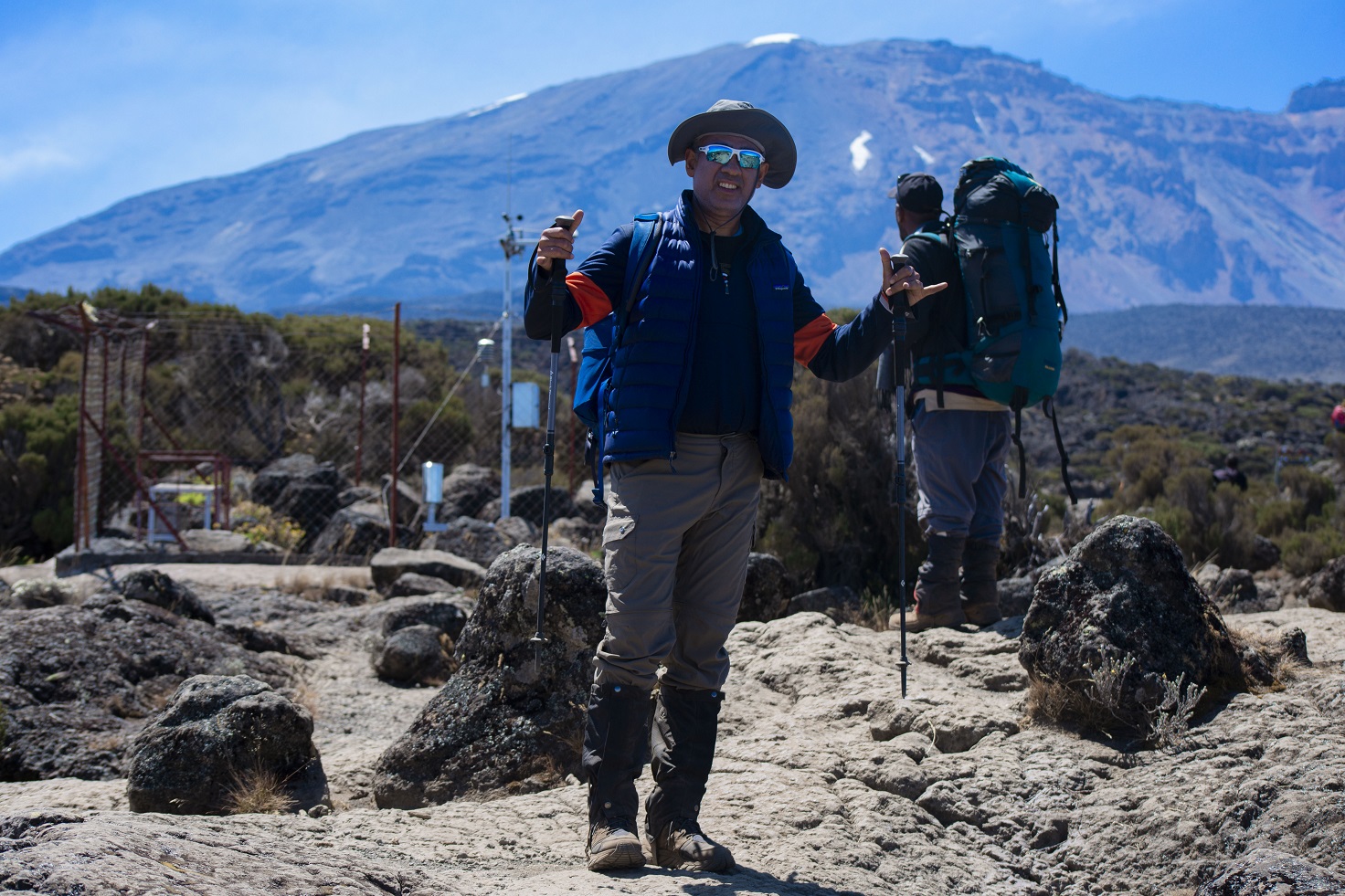
The top-best our most complete guide to the Lemosho Route on Kilimanjaro difficulty and tours (7, 8 & 9 Days) provides everything climbers need to understand before attempting this scenic and highly recommended route on Mount Kilimanjaro. The Lemosho Route on Kilimanjaro climbing tours is considered a moderate to challenging climb due to its high altitude and long trekking distance, but it is also one of the best routes for acclimatization and achieving a successful summit. The difficulty level depends on the number of days chosen, with the 7-day itinerary offering a balanced challenge, the 8-day route providing better acclimatization and higher success rates, and the 9-day option delivering the easiest pace with the highest chance of reaching Uhuru Peak safely. Each tour package includes experienced mountain guides, professional porters, quality camping equipment, park fees, meals, and full logistical support. With proper preparation and expert guidance, climbers can safely enjoy the breathtaking scenery and complete one of the most rewarding adventures in Africa.
How Long Does the Ultimate Kilimanjaro Climb via the Lemosho Route Take? (7, 8, & 9-Day)
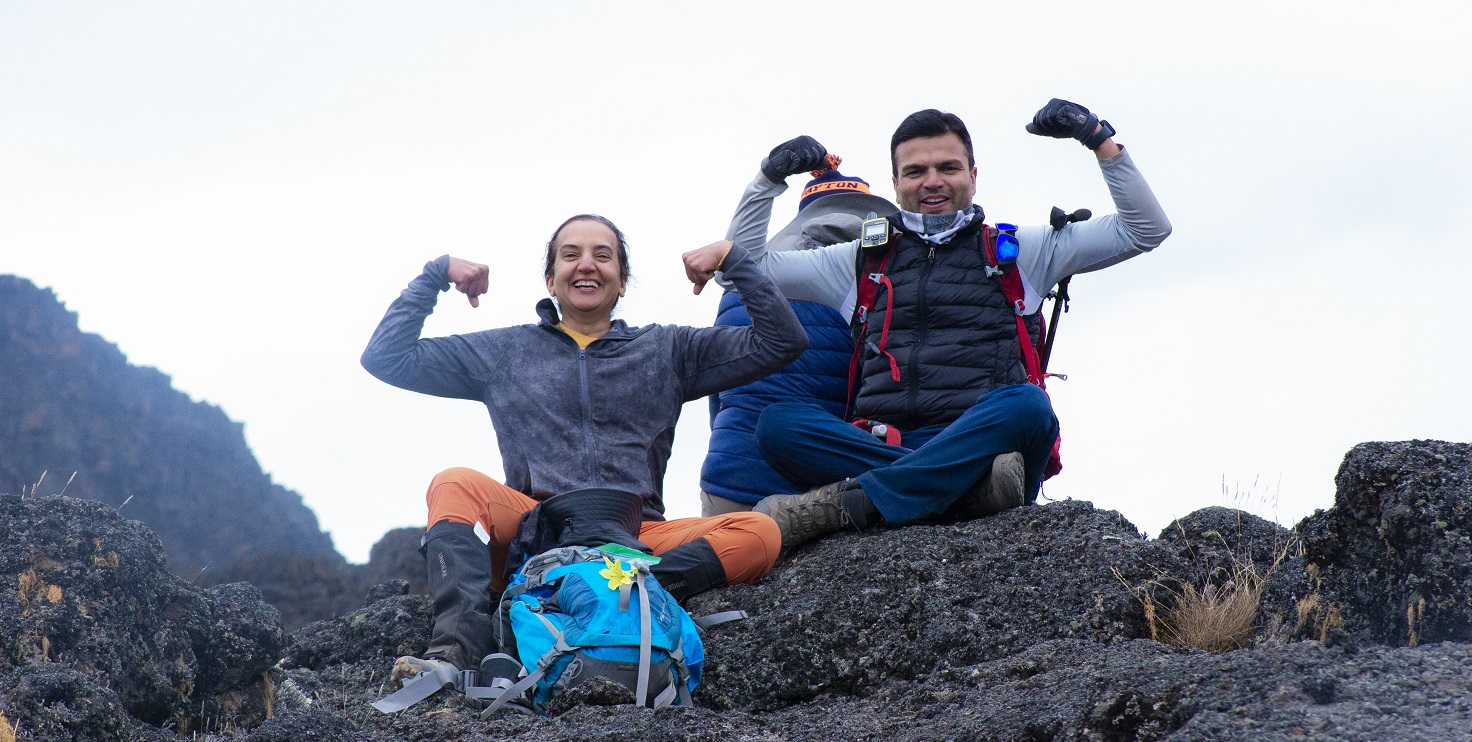
TThe Top-Best Lemosho Route Climb and Tour Packages on Kilimanjaro Summit Guide take 7, 8, to 9-day to complete on Climb Kilimanjaro Tours, covering a distance of approximately 70 kilometers (43 miles) from the Lemosho Glades at Londorosi Gate to Mweka Gate. This longer itinerary allows climbers to acclimatize gradually to high altitude, reducing the risk of altitude sickness and increasing the chances of a successful summit. The top-best Lemosho Route on Climb Kilimanjaro Tours is widely recommended due to its gradual ascent profile, with summit success rates reaching up to 98% on longer itineraries. The total duration may vary depending on fitness level, trekking experience, weather conditions, and other factors during the climb. Overall, it is one of the safest, most scenic, and most successful routes to reach Uhuru Peak on Mount Kilimanjaro.
Top-Best Complete Guide to Lemosho Route Tour Packages for Kilimanjaro (2026–2027)
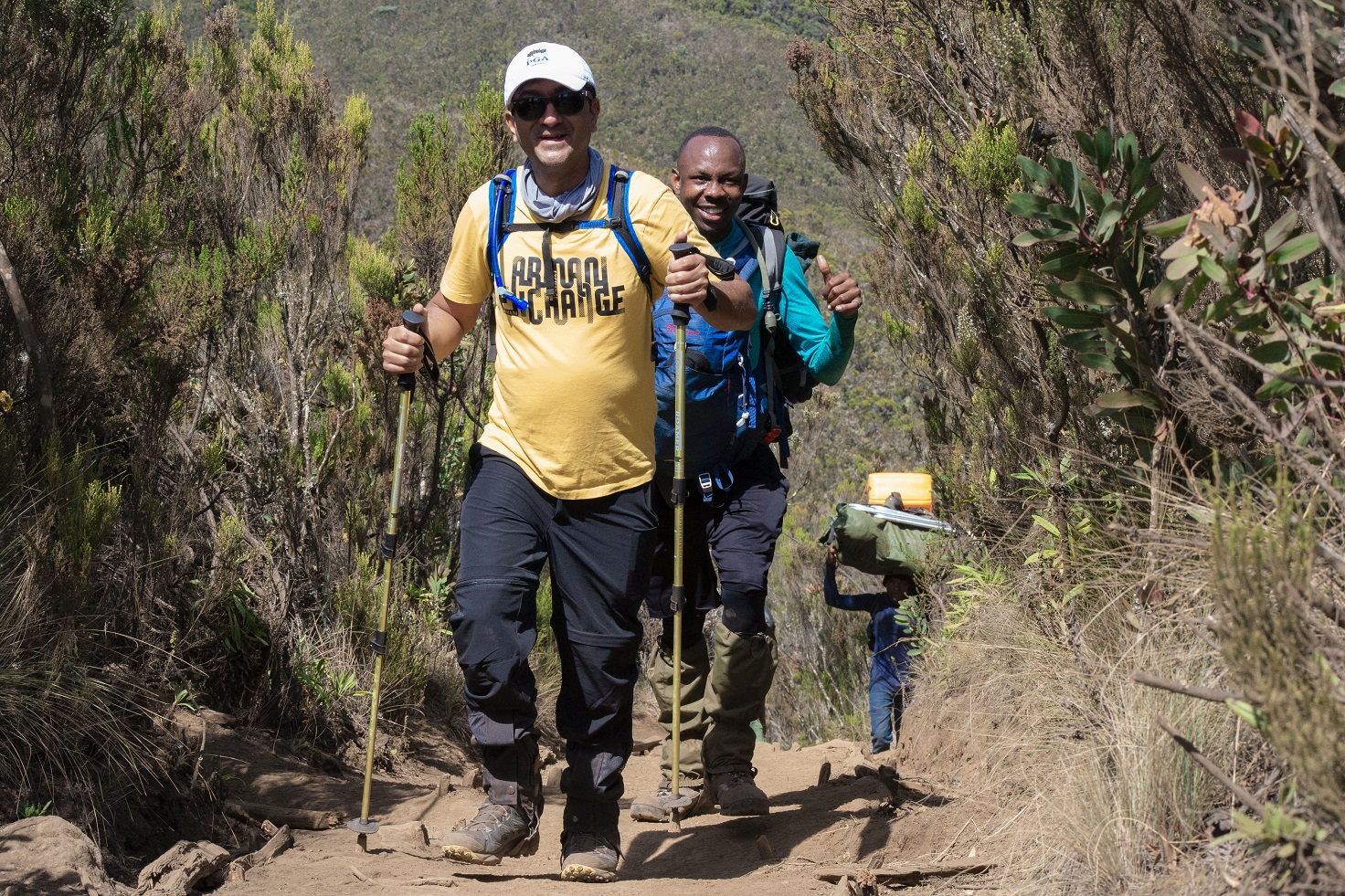
The Complete Guide to Lemosho Route Tour Packages (Updated 2026–2027) provides everything you need to plan a successful and unforgettable climb of Mount Kilimanjaro for 7, 8, and 9 days, available in special options such as private climbs, group join tours, and customized expeditions, designed to suit different budgets, fitness levels, and travel preferences while ensuring a safe, scenic, and well-supported journey to Uhuru Peak. The most beautiful Lemosho Route Tour Packages (Updated 2026–2027) include experienced mountain guides, professional porters, park fees, camping equipment, meals, safety gear, and full logistical support throughout the journey. These packages are available as private climbs, group join tours, and customized expeditions to suit different budgets and travel preferences. This complete guide ensures climbers are well prepared with essential information on acclimatization, packing lists, weather conditions, and summit success strategies for a safe and rewarding ascent to Uhuru Peak.
The Most Complete Guide to the Best 7-Day Lemosho Route Package (2026–2027)
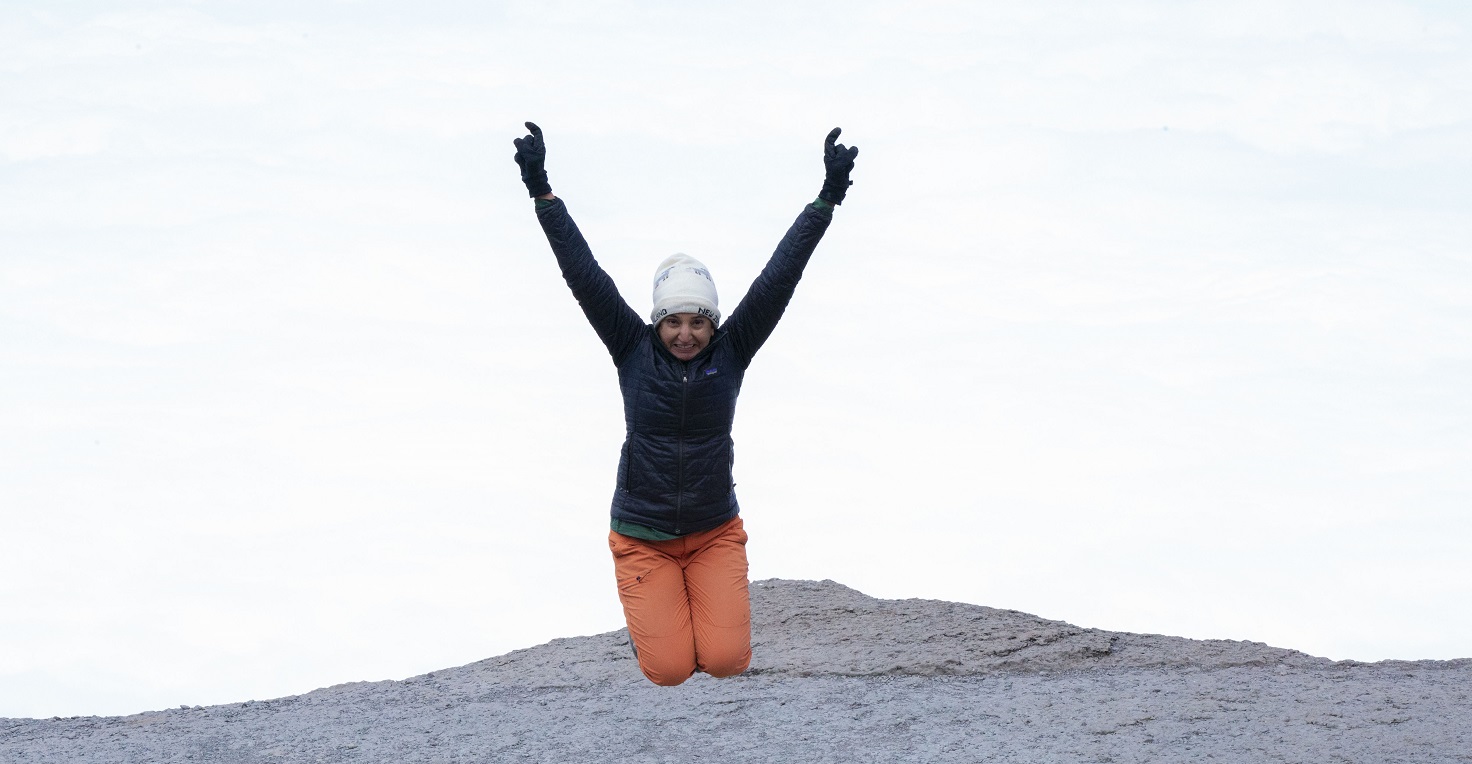
The Complete Guide to the Best 7-Day Lemosho Route Package (2026–2027) provides cost ranges starting from approximately USD 1,450 per person. This package covers a trekking distance of about 70 kilometers (43 miles), starting from the Lemosho Glades at Londorosi Gate and ending at the summit of Uhuru Peak, which stands at 5,895 meters (19,341 feet) above sea level. The average summit success rate for the 7-day itinerary is around 90–95%, depending on fitness level, weather conditions, and acclimatization response.
Discover our most complete package for the top-best 7-day Lemosho Route climb on Kilimanjaro includes experienced mountain guides, professional porters, park entry fees, quality camping equipment, meals, and full logistical support throughout the journey. Climbers pass through diverse landscapes, including lush rainforest, moorland, alpine desert, and the icy summit zone.
The best 7-day Lemosho Route packages on Mount Kilimanjaro (2026–2027) offer a balanced combination of challenge and achievement, providing a safe, scenic, and rewarding Kilimanjaro climbing experience.
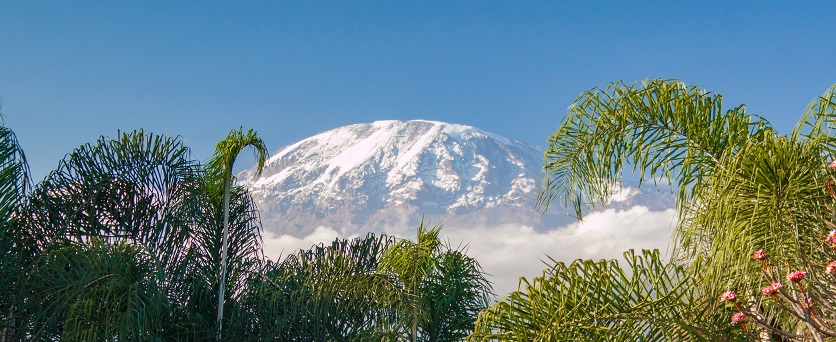
Top-Best 8-Day Lemosho Route Package on Mount Kilimanjaro: Complete Guide (Updated 2026–2027)
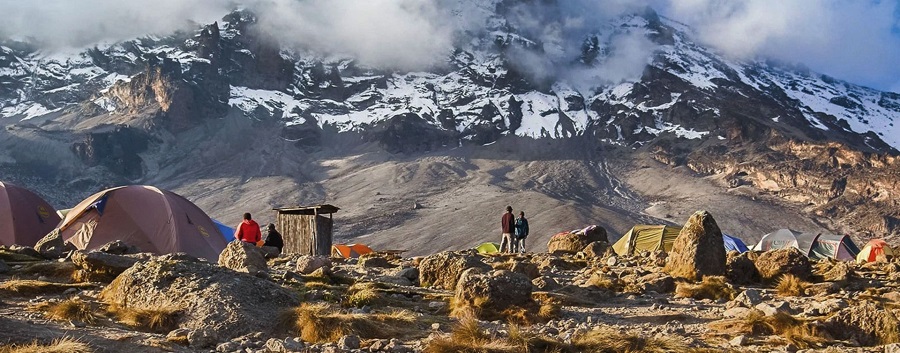
Discover our Best 8-Day Lemosho Route Package on Mount Kilimanjaro (Updated 2026–2027), with prices ranging from USD 1,650 to USD 2,500 per person, depending on group size, service level, and travel season. This complete guide to 8-Day Lemosho Route Tour Packages provides excellent value for climbers seeking a safe and successful summit of Uhuru Peak. The 8-day Lemosho Route on Mount Kilimanjaro is one of the most recommended itineraries due to its excellent acclimatization profile and higher chances of reaching the summit successfully. Covering approximately 70 kilometers (43 miles) from the Lemosho Glades at Londorosi Gate to the summit at 5,895 meters (19,341 feet), this itinerary allows for a gradual and comfortable ascent compared to shorter routes.
The average summit success rate for the 8-day Lemosho Route is approximately 94–96%, thanks to its extended acclimatization schedule and well-paced climbing profile. This package includes experienced mountain guides, professional porters, park fees, quality camping equipment, meals, and full logistical support throughout the climb. Climbers journey through diverse and breathtaking landscapes, including lush rainforest, moorland, alpine desert, and the icy summit zone before reaching Uhuru Peak. The 8-day Lemosho Route package offers an ideal balance of safety, challenge, and success, making it one of the most rewarding Kilimanjaro climbing experiences available in 2026–2027.
The top-best 9-Day Lemosho Route Package on Kilimanjaro
Discover the Best 9-Day Lemosho Route Package on Mount Kilimanjaro Summit Guide (Updated 2026–2027), one of the most successful and highly recommended itineraries for reaching Uhuru Peak, the highest point in Africa at 5,895 meters (19,341 feet). With prices typically ranging from USD 1,850 to USD 2,800 per person, depending on group size, service level, and travel season, this package offers the highest level of acclimatization and one of the best summit success rates on Mount Kilimanjaro. Covering approximately 70 kilometers (43 miles) from the Lemosho Glades at Londorosi Gate to Mweka Gate, the 9-day itinerary provides extra acclimatization time, allowing climbers to adjust gradually to the altitude and significantly increase their chances of reaching the summit safely.
On average summit success rate for the 9-Day Lemosho Route on Mount Kulimanjaro Summit Guide (2026-2027) ranges from 96% to 98.6%, making it one of the most successful Kilimanjaro climbing itineraries available. This complete summit guide includes experienced mountain guides, professional porters, park fees, quality camping equipment, meals, safety gear, and full logistical support throughout the journey. Climbers travel through diverse ecosystems, including lush rainforest, heath and moorland, alpine desert, and the spectacular arctic summit zone before reaching Uhuru Peak. The 9-Day Lemosho Route Package is ideal for climbers seeking maximum acclimatization, greater comfort, and the highest chance of summit success, delivering a safe, scenic, and unforgettable Mount Kilimanjaro adventure in 2026–2027.
The Most Complete Guide to Lemosho Route Group Tour Packages on Mount Kilimanjaro (2026–2027)
The Most Complete Guide to Lemosho Route Group Tour Packages on Mount Kilimanjaro (2026–2027) provides everything climbers need to know about joining shared Lemosho Route group tour packages on Mount Kilimanjaro, including professional mountain guides, experienced porters, quality camping equipment, meals, park fees, and full logistical support throughout the journey. The Lemosho Route group tour packages on Mount Kilimanjaro are designed to offer a safe, well-organized, and affordable climbing experience for different types of travelers.
The top-best Lemosho Route group tour packages on Mount Kilimanjaro (2026–2027) are widely regarded as one of the most scenic and successful climbing options, offering excellent acclimatization and high summit success rates due to the gradual ascent profile of the Lemosho Route on Mount Kilimanjaro group tours. Climbers joining the Lemosho Route group tour packages on Mount Kilimanjaro benefit from well-planned 7, 8, or 9-day itineraries, which allow proper altitude adjustment and significantly increase the chances of reaching Uhuru Peak at 5,895 meters (19,341 feet). These Lemosho Route group tours on Mount Kilimanjaro take trekkers through diverse landscapes, including lush rainforest, moorland, alpine desert, and the icy summit zone. The Lemosho Route group tour packages on Mount Kilimanjaro (2026–2027) are ideal for solo travelers, friends, and budget-conscious climbers seeking a safe, social, and unforgettable Kilimanjaro climbing experience with expert support and full logistical assistance.
Join our top-best 7-Day Lemosho Route Group Tour Packages on Mount Kilimanjaro (2026–2027) offer a full complete guide experience, costing approximately (USD 1,400 to USD 1,700 per person). These climbs can start from Moshi, Arusha, or Kilimanjaro International Airport (JRO), and are designed for climbers seeking a balanced and affordable trekking experience. The package includes professional mountain guides, experienced porters, camping equipment, meals, and full logistical support for a safe summit attempt. The average summit success rate is around 90%–95%, depending on fitness level, weather conditions, and acclimatization.
Get ready to shared our top-best 8-Day Lemosho Route Group Tour Packages on Mount Kilimanjaro (Full Guide 2026–2027), cost around (USD 1,650 to USD 2,300 per person), and can also start from Moshi, Arusha, or JRO. This guided full complete Lemosho Route experience provides better acclimatization and improved comfort, making it one of the most recommended options for a safer climb. The top-best summit success rate ranges from 94%–96%, thanks to the longer itinerary and gradual ascent profile.
Join our Top-Best 9-Day Lemosho Route Group Tour Packages on Mount Kilimanjaro (Full Complete Guided Summit Guide 2026–2027) cost approximately(USD 1,850 to USD 2,600 per person), and can start from Moshi, Arusha, or Kilimanjaro International Airport. This package offers the highest level of acclimatization, maximum safety, and the best summit success rate of 96%–98.6%, giving climbers the greatest chance of reaching Uhuru Peak at 5,895 meters (19,341 feet). All Lemosho Route group tour packages on Mount Kilimanjaro (2026–2027) include breathtaking landscapes such as rainforest, moorland, alpine desert, and the icy summit zone, ensuring a safe, scenic, and unforgettable climbing experience.
Best High-End Lemosho Route Luxury Packages on Mount Kilimanjaro Tours (2026-2027)
The Best High-End Lemosho Route Luxury Packages on Mount Kilimanjaro Tours (2026–2027) offer a fully guided, all-inclusive premium climbing experience with expert mountain guides, private porters, luxury camping setups, safety support, and airport transfers from Moshi, Arusha, or Kilimanjaro International Airport (JRO), with prices ranging from USD 2,200 to USD 6,500+ per person depending on comfort level, group size, itinerary (7, 8, 9 days), and luxury services, delivering one of the highest summit success rates on Kilimanjaro of up to 98% due to superior acclimatization and professional expedition support.
The 7-Day Best High-End Lemosho Route Luxury Packages on Mount Kilimanjaro Tours (2026–2027) offer a premium guided climbing experience with luxury camping, professional mountain guides, private porters, airport transfers from Moshi, Arusha, or Kilimanjaro International Airport (JRO), and full logistical support, with prices ranging from (USD 2,200 to USD 3,800 per person) and a summit success rate of about 88%–92% due to a faster ascent and shorter acclimatization time.
Discover the Top-Best 8-Day High-End Lemosho Route Luxury Packages on Mount Kilimanjaro Tours (2026–2027) provide a balanced luxury expedition with improved acclimatization, high-end camping comfort, experienced guides, and full support services, costing approximately USD 2,800 to USD 4,500 per person, starting from Moshi, Arusha, or JRO, and achieving a strong summit success rate of around 94%–96%.
Our Top-Best 9-Day High-End Lemosho Route Luxury Packages on Mount Kilimanjaro Tours (2026–2027) offer the ultimate luxury Kilimanjaro climbing experience with maximum acclimatization, VIP-style camping, expert guides, and complete logistical support, with prices ranging from (USD 3,200 to USD 6,500+ per person), starting from Moshi, Arusha, or Kilimanjaro International Airport (JRO), and delivering the highest summit success rate of 96%–98%+, making it the safest and most successful option to reach Uhuru Peak at 5,895 meters (19,341 feet).
Join Our Budget-Friendly Complete Guide to Lemosho Route Group Tour Packages on Mount Kilimanjaro (2026–2027)
Join our Budget-Friendly Complete Guide to Lemosho Route Group Tour Packages on Mount Kilimanjaro (2026–2027) with costs ranging from USD 1,300 to USD 2,500 per person, depending on the itinerary (7, 8, or 9 days), group size, shared or private arrangements, and travel season, while maintaining strong safety standards and high summit success rates. This is the most complete guide to the top-best Lemosho Route group tour packages on Mount Kilimanjaro (2026–2027), offering an affordable, safe, and fully supported climb with professional mountain guides, experienced porters, group camping equipment, meals, park fees, and complete logistical support throughout the journey.
Join our top-best 7-Day Lemosho Route Group Tour Package on Mount Kilimanjaro Tour Packages costs approximately USD 1,300 to USD 1,600 per person, starts from Moshi, Arusha, or Kilimanjaro International Airport (JRO), and is ideal for fit and experienced climbers seeking a faster ascent, with a summit success rate of about 88%–92%.
The 8-Day Lemosho Route Group Tour Package on Mount Kilimanjaro Tour Packages costs around USD 1,450 to USD 2,200 per person, offers better acclimatization, and is the most popular option, with a summit success rate of 94%–96%.
The 9-Day Lemosho Route Group Tour Package on Mount Kilimanjaro Tour Packages costs approximately USD 1,700 to USD 2,500 per person, provides maximum acclimatization and safety, and delivers the highest summit success rate of 96%–98%, making it the best option to reach Uhuru Peak at 5,895 meters (19,341 feet).
Best Time to Climb the Lemosho Route on Mount Kilimanjaro (Summit Guide 2026–2027)
The Best Time to Climb the Lemosho Route on Mount Kilimanjaro Tours – Complete Summit Guide (2026–2027) is during the two main dry seasons, with the most recommended climbing periods being from January to mid-March and June to October, when weather conditions are generally clear, skies are stable, and rainfall is minimal, providing climbers with better visibility, safer trail conditions, and a more successful and enjoyable Lemosho Route trekking experience on Mount Kilimanjaro. During these peak seasons, the Lemosho Route on Mount Kilimanjaro offers excellent acclimatization, scenic landscapes, and higher summit success rates, typically ranging from (90% to 98%) depending on the itinerary (7, 8, or 9-day) and climber fitness level. The dry season conditions also make it easier to pass through diverse ecological zones, including lush rainforest, moorland, alpine desert, and the icy summit zone. Choosing the right timing is essential for a successful climb, as it improves safety, comfort, and overall summit success on the Lemosho Route Kilimanjaro trekking experience (2026–2027).
Top-Best Lemosho Route Group Climb Dates & Prices (Updated 2026)
African Natural Tours offers flexible Lemosho Route departure dates throughout 2026, with regular group departures every month and the option to arrange private start dates. This allows you to choose a schedule that fits your travel plans while also considering the best weather conditions and summit success opportunities. Book Now!
Per Person (USD)
| Route | Arrival Date | Departure Date | Price (USD) | Trip |
|---|---|---|---|---|
| 6 day Lemosho Route | Jan 1, 2026🌙 | Jan 7, 2026 | Open | |
| 7 day Lemosho Route | Jan 6, 2026🌙 | Jan 16, 2026 | 12 spaces | |
| 8 day Lemosho Route | Jan 7, 2026🌙 | Jan 16, 2026 | 9 spaces | |
| 9 day Lemosho Route | Jan 8, 2026🌙 | Jan 16, 2026 | Open | |
| 8 day Lemosho Route | Jan 11, 2026 | Jan 20, 2026 | 8 spaces | |
| 8 day Lemosho Route | Jan 18, 2026 | Jan 27, 2026 | 7 spaces | |
| 8 day Lemosho Route | Jan 25, 2026 | Feb 3, 2026 | 10 spaces | |
| 8 day Lemosho Route | Feb 1, 2026 | Feb 10, 2026 | $2,000 | 12 spaces |
| 7 day Lemosho Route | Feb 4, 2026🌙 | Feb 14, 2026 | $1,800 | Open |
| 8 day Lemosho Route | Feb 5, 2026🌙 | Feb 14, 2026 | $2,000 | Open |
| 8 day Lemosho Route | Feb 6, 2026🌙 | Feb 15, 2026 | $2,000 | Open |
| 8 day Lemosho Route | Feb 15, 2026 | Feb 24, 2026 | $2,000 | 7 spaces |
| 8 day Lemosho Route | Jun 28, 2026 | Jul 7, 2026 | $2,000 | 2 spaces |
| 7 day Lemosho Route | Jul 2, 2026🌙 | Jul 12, 2026 | $1,800 | 1 spaces |
| 8 day Lemosho Route | Jul 3, 2026🌙 | Jul 12, 2026 | $2,000 | 3 spaces |
| 9 day Lemosho Route | Jul 12, 2026☀️ | July 22, 2026 | $3,000 | Open |
| 8 day Lemosho Route | Jul 19, 2026 | Jul 28, 2026 | $2,000 | 9 spaces |
| 8 day Lemosho Route | Jul 26, 2026 | Aug 4, 2026 | $2,000 | 13 spaces |
| 7 day Lemosho Route | Aug 1, 2026🌙 | Aug 11, 2026 | $1,800 | Open |
| 8 day Lemosho Route | Aug 2, 2026🌙 | Aug 11, 2026 | $2,000 | Open |
| 7 day Lemosho Route | Aug 3, 2026🌙 | Aug 11, 2026 | $2,799 | Open |
| 7 day Lemosho Route | Aug 9, 2026☀️ | Aug 19, 2026 | $1,800 | Open |
| 9 day Lemosho Route | Aug 16, 2026☀️ | Aug 26, 2026 | $3,000 | Open |
| 8 day Lemosho Route | Aug 23, 2026 | Sep 1, 2026 | $2,000 | Open |
| 7 day Lemosho Route | Aug 30, 2026🌙 | Sep 9, 2026 | $1,800 | Open |
| 8 day Lemosho Route | Aug 31, 2026🌙 | Sep 9, 2026 | $2,000 | 12 spaces |
| 7 day Lemosho Route | Sep 1, 2026🌙 | Sep 9, 2026 | $2,849 | Open |
| 7 day Lemosho Route | Sep 6, 2026☀️ | Sep 16, 2026 | $1,800 | Open |
| 9 day Lemosho Route | Sep 13, 2026☀️ | Sep 23, 2026 | $3,000 | Open |
| 8 day Lemosho Route | Sep 20, 2026 | Sep 29, 2026 | $2,000 | 12 spaces |
| 7 day Lemosho Route | Sep 29, 2026🌙 | Oct 9, 2026 | $1,800 | 11 spaces |
| 8 day Lemosho Route | Sep 30, 2026🌙 | Oct 9, 2026 | $2,000 | Open |
| 7 day Lemosho Route | Oct 1, 2026🌙 | Oct 9, 2026 | $2,799 | 12 spaces |
| 8 day Lemosho Route | Oct 4, 2026 | Oct 13, 2026 | $2,000 | Open |
| 9 day Lemosho Route | Oct 11, 2026☀️ | Oct 21, 2026 | $3,000 | Open |
| 8 day Lemosho Route | Oct 18, 2026 | Oct 27, 2026 | $2,000 | 12 spaces |
| 8 day Lemosho Route | Dec 6, 2026 | Dec 15, 2026 | $2,000 | Open |
| 8 day Lemosho Route | Dec 13, 2026 | Dec 22, 2026 | $2,000 | Open |
| 8 day Lemosho Route | Dec 18, 2026🎄 | Dec 27, 2026 | $2,000 | 12 spaces |
| 7 day Lemosho Route | Dec 24, 2026🎉 | Jan 3, 2026 | $1,800 | 12 spaces |
🌙Summits on/near a full moon
☀️Summits in the daytime
🎄Summits on Christmas day
🎉Summits on New Year’s day